


Creating bang on custom t shirts requires more than just slapping a logo on fabric. In 2026, customers expect thoughtful designs that reflect their values, superior quality, and sustainable practices. Whether you're designing for your brand, creating personalized gifts, or building a lifestyle collection, understanding the fundamentals of custom apparel design ensures your finished products resonate with your audience and stand the test of time. This comprehensive guide explores everything from design principles to printing methods, helping you create custom t-shirts that genuinely connect with wearers.
Understanding What Makes Custom T-Shirts Exceptional
Bang on custom t shirts start with a clear vision of what you want to communicate. The most successful designs balance aesthetic appeal with meaningful messaging, whether that's a nature-inspired graphic, a bold statement, or subtle typography.
Quality begins with fabric selection. Cotton blends offer durability and comfort, while organic cotton aligns with sustainability values that many consumers prioritize. The weight of the fabric matters too-lightweight options work well for summer collections, while heavier materials provide structure and longevity.
Consider your target audience's lifestyle. Active individuals appreciate moisture-wicking materials, while those seeking everyday wear prefer soft, breathable fabrics. The apparel collection you curate should reflect both your brand identity and customer preferences.
Design Philosophy for Nature-Inspired Apparel
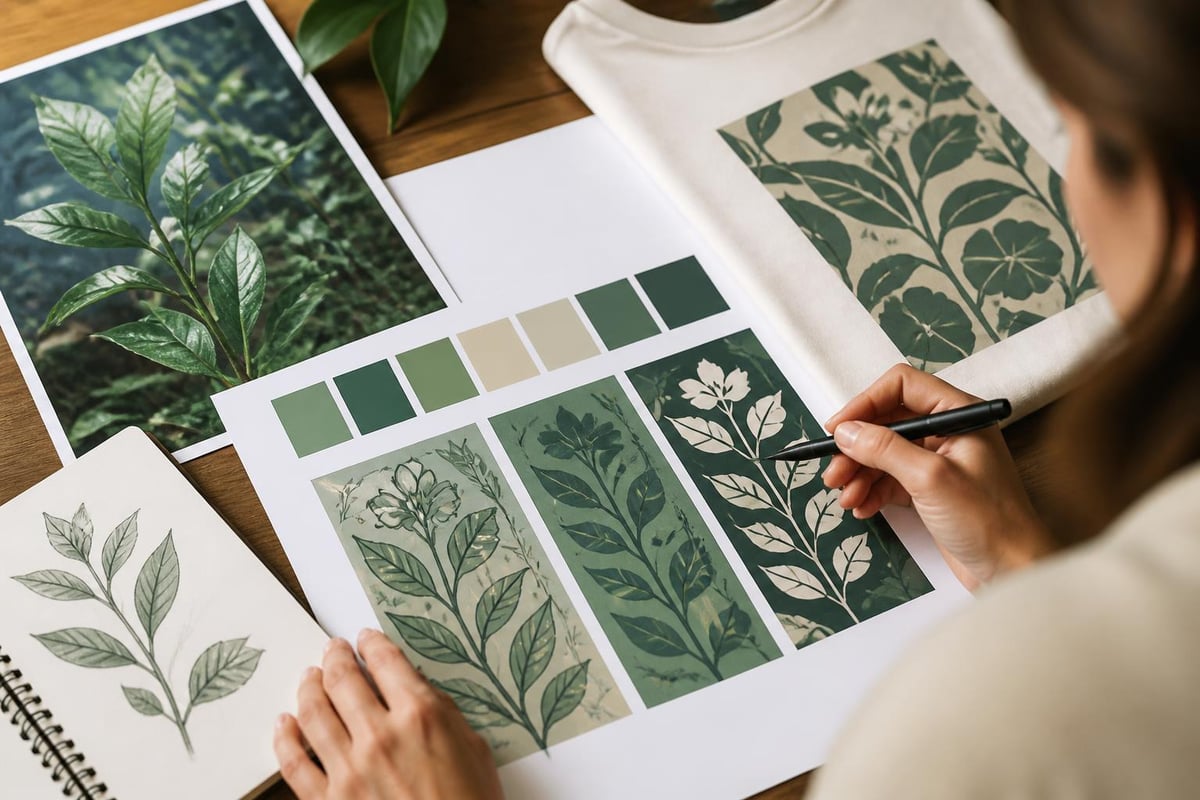
Nature-inspired designs create emotional connections with wearers. Botanical prints, landscape imagery, and organic patterns tap into people's desire to feel connected to the natural world, even in urban environments.
Key elements of nature-inspired design include:
- Authentic color palettes drawn from natural environments
- Textures that evoke organic materials
- Imagery that celebrates biodiversity and ecosystems
- Minimalist approaches that let nature speak for itself
When creating bang on custom t shirts with nature themes, balance complexity with wearability. A design that looks stunning as digital art might overwhelm when worn. Test your concepts by visualizing them on actual garments before finalizing.
Essential Design Principles for Custom Apparel
The foundation of bang on custom t shirts lies in mastering core design principles. Typography, color theory, and composition work together to create visually compelling garments.
Typography That Communicates
Font selection dramatically impacts how your message is received. Serif fonts convey tradition and sophistication, while sans-serif options feel modern and approachable. Script fonts add personality but require careful sizing to maintain readability.
Typography mistakes plague many custom t-shirt projects. According to essential design do's and don'ts, poor font choices and inadequate spacing rank among the top design errors. Ensure text remains legible from several feet away-if someone can't read your shirt across a room, the font size needs adjustment.
Typography best practices:
- Limit yourself to two font families per design
- Ensure sufficient contrast between text and background
- Use hierarchy to guide the eye through your message
- Test readability at various sizes before finalizing
Color Selection and Contrast
Color psychology influences how people perceive your designs. Earthy tones communicate sustainability and natural living, while vibrant hues project energy and creativity. When designing bang on custom t shirts, consider both the garment color and the print colors.
| Base Garment Color | Recommended Print Colors | Design Effect |
|---|---|---|
| White | Deep navy, forest green, charcoal | Classic, versatile, high contrast |
| Heather gray | Teal, burgundy, mustard | Subtle, sophisticated, modern |
| Black | White, gold, pastels | Bold, striking, high impact |
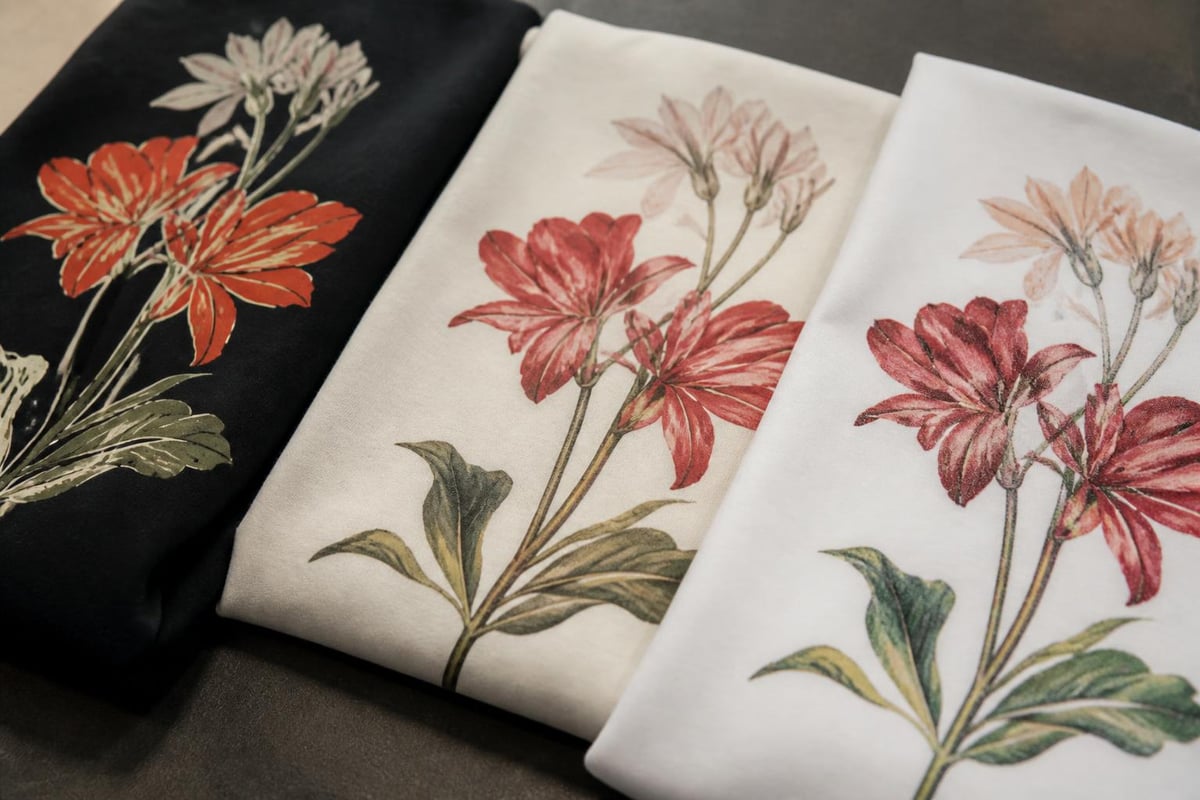
| Natural/cream | Earth tones, sage, terracotta | Organic, cohesive, calming |
The practical tips for t-shirt design emphasize starting with a limited color palette. Three to four colors typically provide enough variety without creating chaos. Remember that each additional color increases production complexity and cost.
Design Placement and Sizing
Strategic placement transforms good designs into great wearable art. The traditional center-chest placement works for logos and simple graphics, but exploring alternative positions creates visual interest.
Popular placement options include:
- Left chest (subtle, professional)
- Full front (bold statement pieces)
- Back panel (storytelling opportunities)
- Sleeve prints (unexpected detail)
- All-over prints (immersive designs)
Sizing considerations vary by placement. A left chest design typically measures 3-4 inches wide, while full front graphics can span 10-12 inches. Always account for how fabric stretches when worn-designs that look perfect on a flat shirt may distort across the body.
Technical Requirements for Print-Ready Designs
Creating bang on custom t shirts requires more than artistic vision-you need technically sound files. Understanding file formats, resolution requirements, and color systems prevents disappointing results.
File Formats and Resolution Standards
Vector files provide the most flexibility for custom apparel. EPS and AI formats scale infinitely without losing quality, making them ideal for designs that might be reproduced at various sizes. PDF files work well when properly prepared with embedded fonts and correct color profiles.
Raster images require minimum resolution standards. For screen printing, aim for 300 DPI at the intended print size. Lower resolutions create pixelated, unprofessional results. The guide on avoiding custom t-shirt mistakes identifies low-resolution artwork as the most common preventable error.
File preparation checklist:
- Convert text to outlines/curves to prevent font substitution
- Use CMYK color mode for most printing methods
- Include bleed areas if design extends to edges
- Save a backup with layers intact for future edits
- Provide both color and separated versions when applicable
Color Management for Consistent Results
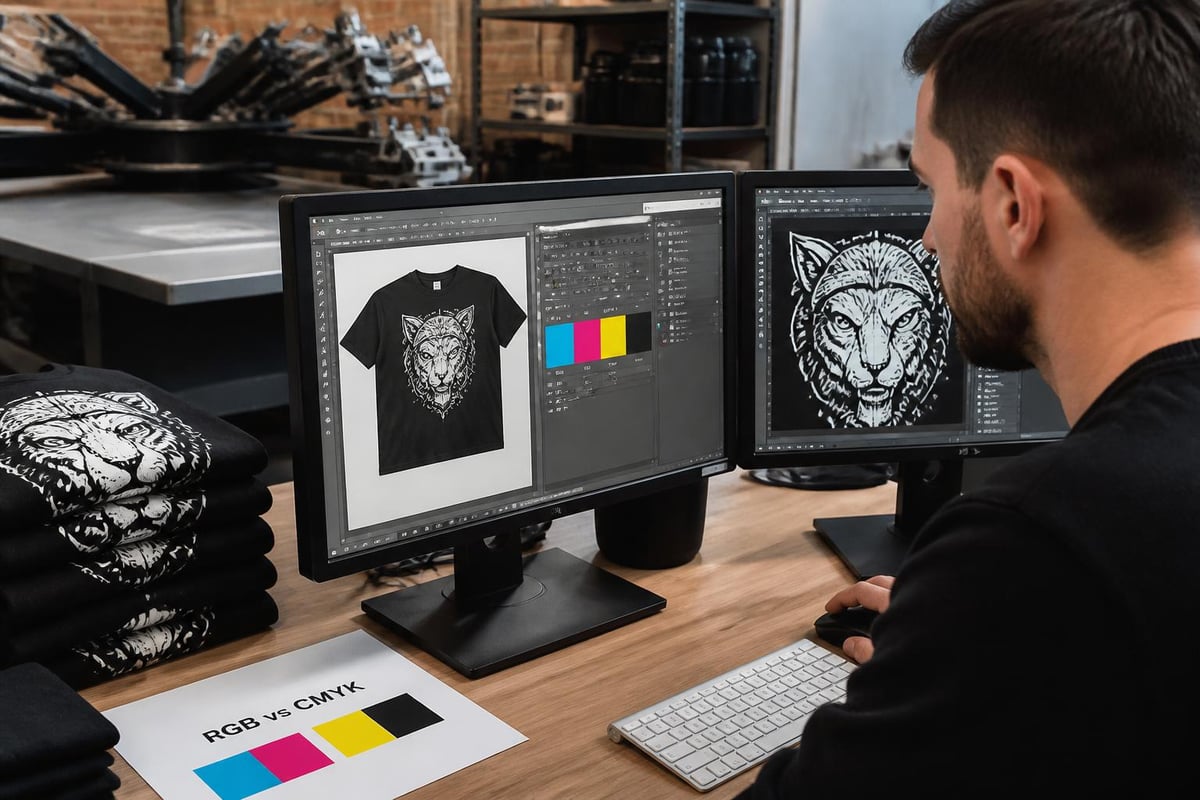
Screen displays show RGB colors, but most printing processes use CMYK or Pantone systems. This difference causes the colors you see on your monitor to appear different when printed.
Pantone Matching System (PMS) colors ensure consistency across print runs. When you specify PMS 349 green, that exact shade appears regardless of when or where you print. This matters tremendously for brand consistency.
For bang on custom t shirts featuring nature-inspired palettes, consider that organic colors often fall outside standard CMYK gamut. Working with your printer to test actual ink samples prevents disappointment when your forest green prints as lime.
Printing Methods and Quality Considerations
The printing technique you choose profoundly impacts the final product's appearance, durability, and cost. Different methods suit different design styles and production volumes.
Screen Printing for Durability
Screen printing remains the gold standard for bang on custom t shirts, particularly for larger orders. This method forces ink through mesh screens, creating vibrant, long-lasting prints that withstand hundreds of wash cycles.
Screen printing advantages:
- Exceptional durability and color vibrancy
- Cost-effective for orders of 50+ units
- Works beautifully with bold, simple designs
- Produces consistent results across large runs
Limitations include setup costs that make small batches expensive and challenges reproducing photographic details. Each color requires a separate screen, so complex designs with many colors become cost-prohibitive.
Direct-to-Garment for Detail and Flexibility
DTG printing functions like a specialized inkjet printer for fabric. This technology excels at reproducing complex designs, photographic images, and gradients that screen printing struggles with.
The comprehensive overview of t-shirt printing methods explains how DTG suits on-demand production and small batch orders. For brands testing new designs or offering customization options, DTG provides flexibility without minimum order requirements.
However, DTG prints may fade faster than screen printing, particularly on dark garments. The texture can feel slightly heavier on the fabric, which some customers find less desirable for lightweight summer tees.
Alternative Printing Techniques
| Printing Method | Best For | Durability | Cost Profile |
|---|---|---|---|
| Heat Transfer | Short runs, full-color photos | Moderate | Low setup, moderate per-unit |
| Sublimation | Polyester fabrics, all-over prints | High | Moderate setup, low per-unit |
| Embroidery | Logos, premium products | Excellent | High setup and per-unit |
| Vinyl | Simple designs, individual customization | Good | Low setup, moderate per-unit |
For creating truly bang on custom t shirts, many brands combine techniques. An embroidered logo on the chest paired with a screen-printed graphic on the back creates dimension and perceived value.
Sustainable Practices in Custom Apparel
Modern consumers, particularly those drawn to nature-inspired brands, prioritize sustainability. Creating bang on custom t shirts means considering environmental impact throughout the production process.
Eco-Friendly Materials and Inks
Organic cotton eliminates pesticides and harmful chemicals from cultivation. Recycled polyester diverts plastic from landfills while creating performance fabrics. Bamboo blends offer softness and natural antimicrobial properties.
Water-based inks provide an eco-friendly alternative to traditional plastisol. These inks produce softer prints with less environmental impact, though they require different printing processes and sometimes sacrifice durability.
The frontpage collection demonstrates how brands can showcase sustainability as a core value, integrating eco-conscious choices into product narratives.
Ethical Production Considerations
Transparency in manufacturing builds consumer trust. Where are your shirts made? Who sews them? What are working conditions like in production facilities?
Sustainable production practices include:
- Fair wages and safe working conditions for all workers
- Local or domestic manufacturing to reduce transportation emissions
- Small-batch production to minimize waste
- Take-back programs for worn garments
- Carbon offset initiatives for unavoidable emissions
When marketing bang on custom t shirts, communicate these values authentically. Customers appreciate honesty about your journey toward sustainability, including acknowledging areas where you're still improving.
Designing for Your Target Audience
Understanding who will wear your custom t-shirts shapes every design decision. A shirt designed for outdoor enthusiasts differs dramatically from one targeting urban professionals interested in sustainable fashion.
Creating Customer Personas
Develop detailed profiles of your ideal customers. What do they value? How do they spend weekends? What other brands do they support? These insights inform design choices that resonate.
For nature-inspired apparel, your audience likely values:
- Environmental conservation and sustainability
- Quality over quantity in their wardrobe
- Authentic connections to outdoor spaces
- Products with meaningful stories behind them
Design bang on custom t shirts that reflect these values through imagery, messaging, and material choices. A botanical illustration paired with information about habitat conservation creates deeper meaning than decoration alone.
Seasonal Collections and Trends
While timeless design remains valuable, awareness of seasonal trends keeps your offerings fresh. In 2026, we're seeing strong interest in:
- Maximalist botanical prints that celebrate biodiversity
- Vintage-inspired nature photography processed with modern techniques
- Abstract organic patterns that suggest rather than depict nature
- Typography integrated with landscape imagery
- Monochromatic earthy palettes with unexpected pops of color
Balance trend awareness with brand consistency. Not every trend suits every brand, and chasing every passing fad dilutes your identity.
Testing and Refining Your Designs
Even experienced designers benefit from prototyping and testing before full production runs. Creating bang on custom t shirts requires iteration and refinement.
Sample Production and Wear Testing
Order samples before committing to large production runs. Examine how designs translate from screen to fabric. Check color accuracy, print placement, and overall appearance on the actual garment.
Wear test samples through multiple wash cycles. Does the print crack or fade? How does the fabric hold up? Does the garment maintain its shape? These real-world tests prevent costly mistakes.
Testing checklist:
- Wash samples according to care instructions 5-10 times
- Note any color fading, cracking, or peeling
- Assess fabric shrinkage and shape retention
- Evaluate comfort during extended wear
- Gather feedback from target demographic
Gathering Customer Feedback
Your customers provide invaluable insights. Before launching a full collection, consider offering pre-orders or limited releases to gauge interest. Social media polls and focus groups reveal preferences you might not anticipate.
The contact page creates opportunities for customers to share feedback directly. Make it easy for people to communicate what they love and what they'd change.
Pricing Strategies for Custom Apparel
Determining the right price point for bang on custom t shirts balances production costs, perceived value, and market positioning.
Cost Analysis and Margin Planning
Calculate your true costs including:
- Blank garments
- Printing or decoration
- Labor for design and production management
- Packaging and shipping materials
- Marketing and photography
- Platform fees and payment processing
- Overhead allocation
Wholesale pricing typically targets keystone markup (2x cost), while direct-to-consumer sales can work with lower margins offset by higher volume. Premium positioning justifies higher margins when supported by superior quality, sustainability practices, or unique designs.
Communicating Value Beyond Price
When your bang on custom t shirts cost more than fast fashion alternatives, clearly articulate why. Customers pay premium prices for:
- Sustainable materials and ethical production
- Limited edition designs not available elsewhere
- Superior quality that lasts years instead of months
- Meaningful stories and brand values they want to support
- Perfect fit and thoughtful construction details
The storytelling approach shown throughout the apparel collection helps customers understand value beyond the price tag.
Building a Cohesive Collection
Individual designs matter, but bang on custom t shirts often succeed best as part of a thoughtfully curated collection that tells a larger story.
Collection Development Strategy
Start with a clear theme that unifies your designs. For nature-inspired collections, this might be:
- Specific ecosystems (coastal, forest, desert, mountain)
- Seasonal cycles and natural phenomena
- Endangered species awareness
- Sustainable living practices
- Outdoor recreation activities
Develop 5-8 core designs that work together visually while offering variety. Include different design styles (illustration, photography, typography) and multiple color options to appeal to diverse preferences.
Mix and Match Coordination
Consider how pieces work together. Customers who love your brand often purchase multiple items. Complementary color palettes and cohesive design language encourage collection building.
Your product presentation should showcase these connections. Lifestyle photography showing multiple pieces styled together inspires customers to envision how your designs fit into their lives.
Marketing Your Custom T-Shirts
Creating exceptional bang on custom t shirts represents only half the equation. Strategic marketing ensures your target audience discovers and connects with your designs.
Visual Content and Storytelling
High-quality product photography remains essential, but lifestyle imagery creates emotional connections. Show your t-shirts worn in natural settings that align with your brand values-hiking trails, beach cleanups, farmers markets, urban gardens.
Video content performs exceptionally well in 2026. Short-form videos showing design processes, printing techniques, or the inspiration behind collections build authenticity and engagement.
Digital Marketing Channels
Effective channels for custom apparel include:
- Instagram and Pinterest for visual discovery
- Email marketing for launch announcements and customer retention
- Collaborations with micro-influencers in sustainability and outdoor niches
- Content marketing through blogs and guides (like this one)
- SEO optimization for discovery through search engines
The resources on custom apparel design can also inform content that establishes your expertise and attracts organic traffic.
Quality Control and Customer Satisfaction
Maintaining consistently high standards ensures every customer receives bang on custom t shirts that exceed expectations.
Inspection Processes
Implement quality control checks at multiple stages:
Pre-production: Review digital mockups and physical samples During production: Spot-check prints for color accuracy and placement Post-production: Inspect finished garments for defects before packaging Pre-shipment: Final review of packaged products
Catching issues before products reach customers prevents returns and protects your brand reputation.
Handling Returns and Complaints
Despite best efforts, occasional issues arise. Your response determines whether a disappointed customer becomes a brand advocate or vocal critic.
Customer service excellence includes:
- Responding promptly to inquiries and complaints
- Taking ownership of mistakes without defensiveness
- Offering fair solutions (replacement, refund, or credit)
- Using feedback to improve processes
- Following up to ensure satisfaction with resolution
The comprehensive guide on t-shirt artwork rules helps prevent common technical issues that lead to customer dissatisfaction.
Scaling Your Custom Apparel Business
As demand for your bang on custom t shirts grows, scaling operations while maintaining quality requires strategic planning.
Production Capacity Considerations
Small batches work well initially, but growth demands efficiency. Options include:
- In-house production: Maximum control, higher capital investment
- Print-on-demand partnerships: Low overhead, limited customization
- Contract manufacturing: Scalability with less direct oversight
- Hybrid approach: Core items in-house, specialty items outsourced
Each model suits different business stages and goals. Many successful brands start with print-on-demand, transition to small-batch contract manufacturing, and eventually establish in-house capabilities.
Inventory Management
Balancing inventory prevents both stockouts and excess carrying costs. Data from past sales informs production planning. Core designs in popular sizes warrant larger inventory, while experimental designs benefit from smaller test runs.
Inventory strategy considerations:
- Seasonal demand fluctuations
- Lead times for production and shipping
- Storage capacity and costs
- Cash flow implications
- Sustainability goals around overproduction
Creating bang on custom t shirts combines artistic vision with technical expertise, sustainable practices, and customer understanding. By focusing on quality materials, thoughtful design, and authentic brand storytelling, you create apparel that customers cherish and wear proudly. Gul brings this philosophy to life through nature-inspired custom apparel that celebrates quality craftsmanship and environmental responsibility. Explore the collection to discover how sustainable design creates meaningful connections between people and the natural world they love.
Article written using RankPill.