


Finding affordable custom apparel that maintains professional quality can feel like searching for a needle in a haystack. Cheap embroidered polo shirts offer businesses, teams, and organizations an accessible entry point into branded clothing without demanding premium budgets. The key lies in understanding what truly drives cost, where you can safely economize, and which quality factors remain non-negotiable. Whether you're outfitting a startup team, creating uniforms for customer-facing staff, or developing merchandise that reflects your brand's nature-inspired values, strategic purchasing decisions can deliver impressive results while respecting financial constraints.
Understanding the True Cost of Embroidered Polo Shirts
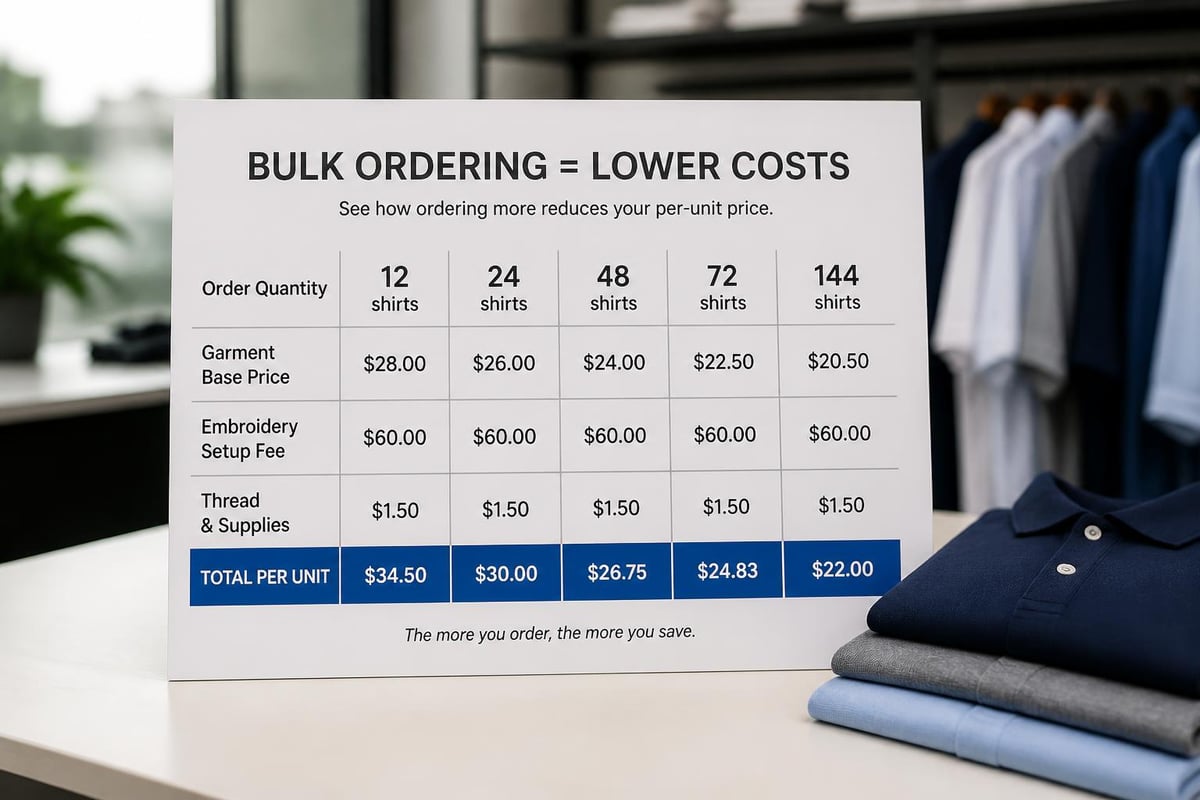
The price tag on embroidered polo shirts reflects multiple variables beyond the base garment cost. When evaluating cheap embroidered polo shirts, you need to account for fabric quality, embroidery complexity, quantity ordered, and vendor capabilities.
Base garment selection significantly impacts your final investment. Cotton-polyester blends typically cost less than pure cotton or performance fabrics, yet they offer excellent durability for everyday wear. The shirt weight, measured in ounces, correlates directly with price-lighter fabrics around 5-6 ounces cost less than heavier 7-8 ounce constructions.
Embroidery pricing follows its own logic:
- Stitch count: More complex logos require additional stitches, increasing production time and cost
- Thread colors: Each color change adds setup time and expense
- Placement: Standard left chest positioning costs less than multi-location embroidery
- Size: Larger designs consume more thread and machine time
Bulk ordering represents the most effective strategy for securing cheap embroidered polo shirts. Vendors offer tiered pricing where per-unit costs decrease substantially as order quantities increase. A single embroidered polo might cost $35-40, while ordering 50 pieces could reduce the price to $18-22 per shirt, and 200+ pieces might drop costs to $12-15 each.
Fabric Selection: Balancing Quality and Affordability
The foundation of any embroidered polo shirt starts with fabric choice. Understanding material properties helps you identify where to invest and where to economize without compromising the final product.
Cotton-Polyester Blends: The Budget-Friendly Workhorse
A 50/50 or 60/40 cotton-polyester blend delivers the sweet spot for cheap embroidered polo shirts. These blends combine cotton's breathability with polyester's durability and wrinkle resistance. They hold embroidery well, resist shrinking, and maintain color vibrancy through repeated washing.
Advantages of blended fabrics:
- Lower initial cost compared to 100% cotton
- Superior shape retention
- Faster drying time
- Minimal ironing requirements
- Excellent embroidery stability
When selecting polo shirts for embroidery, consider pique knit construction. This textured weave provides natural stretch, enhanced breathability, and creates visual interest that complements embroidered designs beautifully.
Performance Fabrics on a Budget
Moisture-wicking performance polos traditionally command premium prices, but budget-conscious buyers can find affordable options. Look for polyester-based performance fabrics rather than specialized technical blends. While they may not match the capabilities of high-end athletic wear, they offer meaningful improvements over standard cotton for active environments.
| Fabric Type | Cost Range | Best Use Case | Durability Rating |
|---|---|---|---|
| Cotton/Poly Blend | $ | General business wear | High |
| 100% Cotton | $$ | Professional settings | Medium |
| Basic Performance Poly | $$ | Active/outdoor work | High |
| Premium Technical Blend | $$$ | Athletic/golf use | Very High |
Embroidery Design Considerations for Cost Efficiency
Your logo design directly impacts embroidery costs. Simplifying without losing brand identity can substantially reduce expenses when ordering cheap embroidered polo shirts.
Cost-saving design strategies:
- Limit color count: Single or two-color designs cost significantly less than multi-color logos
- Optimize size: A 3-4 inch logo looks professional while minimizing stitch count
- Avoid fine details: Tiny text or intricate elements increase production complexity
- Choose solid fills: Gradient or photo-realistic effects require specialized digitizing
The digitization process converts your artwork into embroidery machine instructions. Most vendors include basic digitization in their setup fees, but complex logos may incur additional charges. Providing vector artwork (AI, EPS, or SVG files) rather than raster images (JPG or PNG) helps minimize digitization costs and ensures cleaner embroidery results.
Standard left chest placement offers the most economical option for logo positioning. This location requires minimal setup adjustments and leverages established production workflows. Adding sleeve, back, or collar embroidery creates visual impact but increases per-piece costs by $3-8 depending on design complexity.
At Gul's apparel collection, nature-inspired designs demonstrate how thoughtful graphic elements can create distinctive branding while respecting production realities.
Vendor Selection and Bulk Ordering Strategies
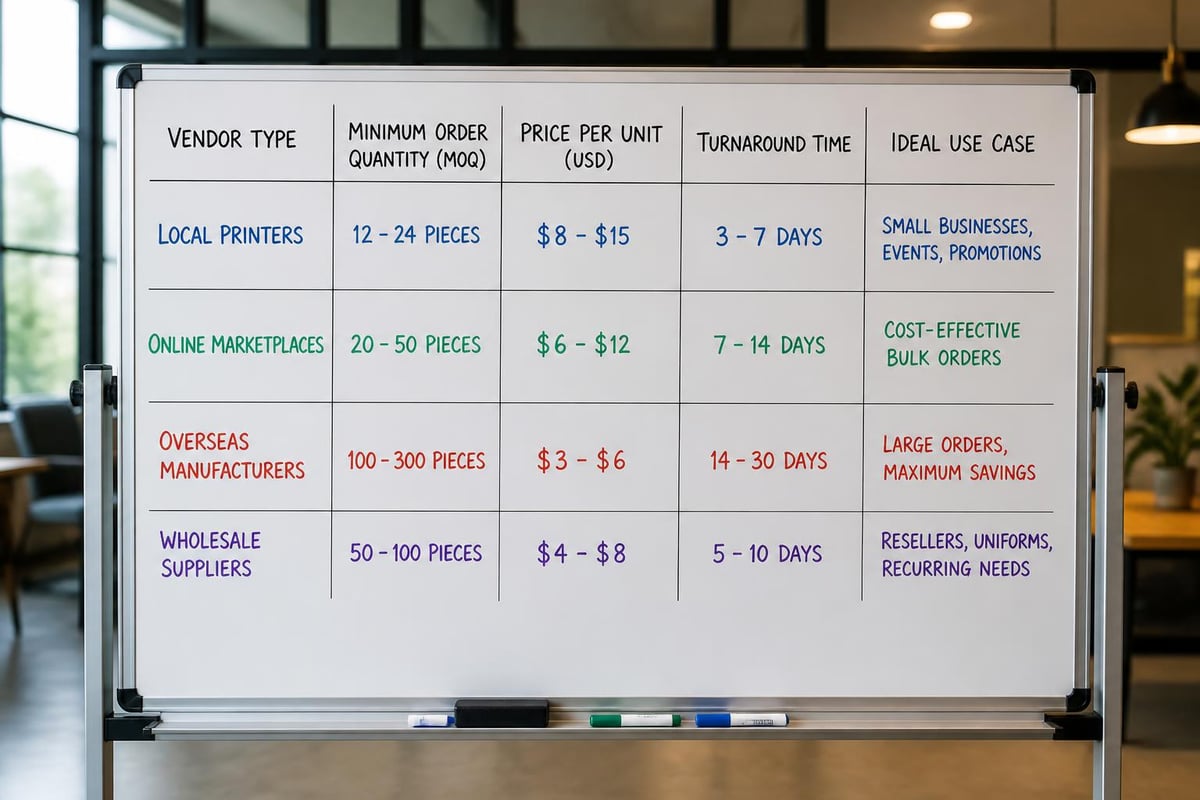
Choosing the right supplier makes the difference between merely cheap embroidered polo shirts and genuinely valuable ones. Different vendors specialize in various order sizes, turnaround times, and quality tiers.
Evaluating Supplier Capabilities
Local embroidery shops excel at smaller orders and offer personalized service, but their per-unit pricing typically runs higher. They're ideal for orders under 25 pieces or when you need rapid turnaround times. You can inspect samples directly and build long-term relationships that may yield discounts.
Online custom apparel platforms provide competitive pricing for mid-sized orders (25-200 pieces) with user-friendly design tools and broader garment selections. They balance cost efficiency with convenience, though quality can vary between providers. Always request samples before committing to large orders.
Wholesale distributors deliver the lowest per-unit costs for orders exceeding 200 pieces. These vendors often require industry credentials or minimum order values but offer access to premium brands at reduced pricing. According to research on polo shirt cost considerations, working with established distributors can reduce costs by 30-40% compared to retail channels.
Timing Your Orders for Maximum Savings
Strategic timing significantly impacts pricing for cheap embroidered polo shirts. The custom apparel industry experiences seasonal fluctuations that savvy buyers can exploit.
Off-season ordering (November through February for most regions) often yields 10-20% discounts as vendors seek to maintain production schedules. Summer months bring peak demand for polos, driving prices upward and extending lead times.
Planning ahead allows you to take advantage of early-order discounts. Many suppliers offer price reductions for orders placed 6-8 weeks before needed delivery dates. This advance notice lets them optimize production scheduling and materials procurement.
Quality Checkpoints That Matter
Even when purchasing cheap embroidered polo shirts, certain quality standards remain essential. Knowing which details indicate solid construction helps you avoid false economies that result in rapid replacement needs.
Embroidery Quality Indicators
Proper stitch density prevents puckering and ensures longevity. Professional embroidery should feel smooth on both sides of the fabric without excessive stiffness. According to embroidery quality standards, optimal stitch density ranges from 0.4mm to 0.5mm between rows, creating coverage without distorting the fabric.
Red flags in poor embroidery:
- Visible fabric showing through filled areas
- Puckered or gathered fabric around designs
- Loose threads or inconsistent tension
- Misaligned elements in multi-color logos
- Rough backing that irritates skin
Quality backing material stabilizes embroidery during application and throughout the garment's lifetime. Cut-away backing provides superior support for polo knits compared to tear-away alternatives. While slightly more expensive, cut-away backing prevents embroidery from pulling or distorting over time.
Garment Construction Details
Reinforced seams at shoulders and side vents indicate thoughtful construction that extends wear life. Double-needle stitching costs manufacturers mere pennies more but dramatically improves durability. These details matter especially for uniforms subjected to frequent laundering.
Button quality varies dramatically across price points. Cheap embroidered polo shirts often feature plastic buttons that crack or discolor quickly. Look for buttons with reinforced attachment threads and four-hole construction rather than two-hole variants. Some budget-conscious manufacturers use painted buttons that appear upscale initially but deteriorate rapidly.
The collar construction deserves particular attention. A properly fused collar maintains its shape through repeated wear and washing. Press the collar between your fingers-it should feel firm but not stiff, with consistent thickness throughout. Flimsy or cardboard-like collars indicate poor interfacing that will curl or wrinkle prematurely.
Maximizing Value Through Care and Maintenance
The true cost of cheap embroidered polo shirts extends beyond the initial purchase price. Proper care dramatically extends garment life, improving your cost-per-wear calculation.
Washing Best Practices
Pre-treatment extends life: Before first wear, wash new embroidered polos inside-out in cold water. This sets both fabric dyes and embroidery thread while removing manufacturing residues. Turn garments inside-out for all subsequent washing to protect embroidery from abrasion.
Machine washing on gentle cycles with cold water preserves both fabric and embroidery integrity. Hot water accelerates cotton shrinkage in blends and can weaken embroidery thread over time. Skip harsh detergents or bleach alternatives that degrade thread colors and fabric fibers.
Air drying represents the ideal approach, but low-heat tumble drying works acceptably for cotton-polyester blends. High heat sets wrinkles and can cause embroidery to pucker or pull. Remove polos from dryers while slightly damp to minimize wrinkles and reduce or eliminate ironing needs.
Storage and Rotation Strategies
Hanging embroidered polo shirts on proper hangers maintains shape better than folding. Use wide-shoulder hangers that support the garment's weight without creating shoulder dimples. Avoid wire hangers that distort fabric and wire hangers that create permanent creasing.
Rotating multiple polos extends the life of each piece. Daily wear stresses fabric fibers and embroidery threads. Allowing 24-48 hours between wears lets fibers recover their shape and reduces overall wear. For uniforms or team wear, purchasing 1-2 extra shirts per person reduces individual garment wear rates substantially.
Customization Options Within Budget Constraints
Even cheap embroidered polo shirts offer customization possibilities beyond standard logo placement. Creative approaches deliver distinctive results without premium pricing.
Color Coordination Strategies
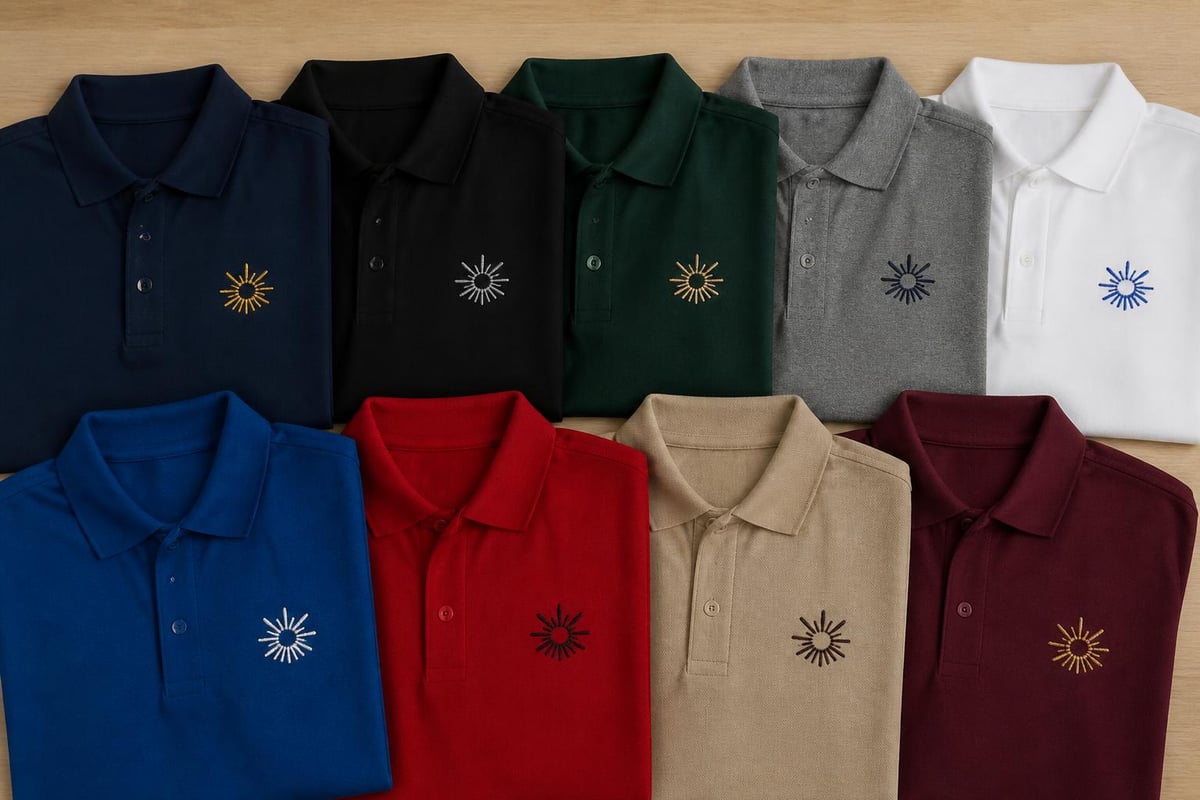
Strategic color selection enhances brand recognition while managing costs. When choosing embroidered polo shirts for company uniforms, consider how shirt colors complement your logo rather than fighting against it. A two-color logo on a solid polo often creates more impact than a complex multi-color design.
Effective color combinations:
- Navy polos with white and gold embroidery
- Black polos with silver or red details
- Stone or khaki with earth-tone logos
- Cardinal or forest green with contrasting trim
Ordering multiple shirt colors within a single order typically incurs no additional fees, allowing teams to coordinate without added expense. Some organizations assign different colors to departments or roles, creating visual organization systems that aid customer navigation.
Adding Personalization Without Breaking Budget
Individual names add personal touches that employees and team members appreciate. While full custom embroidery for each name increases costs, several economical alternatives exist.
Name tag placement options:
- Right chest: Balances left chest logo placement, typically adds $3-5 per shirt
- Sleeve: Creates subtle personalization, often cheaper than chest placement
- Back yoke: Visible from behind, useful for customer-facing roles
Heat transfer names offer a budget alternative to embroidered personalization. While less durable than embroidery, quality heat transfers withstand 30-50 washes when properly applied and cared for. This approach works well for temporary staff, seasonal employees, or situations where frequent name changes occur.
Sourcing Strategies for Small Businesses and Startups
Organizations with limited budgets and smaller teams face unique challenges when sourcing cheap embroidered polo shirts. Smart purchasing strategies level the playing field against larger competitors with greater buying power.
Cooperative Buying Approaches
Partnering with complementary businesses or organizations can achieve bulk pricing tiers individually unreachable. Industry associations, business improvement districts, or informal networks often coordinate group orders that benefit all participants. A restaurant, retail store, and service business might collectively order 150 polos despite each needing only 50 pieces.
Benefits of group purchasing:
- Access to wholesale pricing tiers
- Reduced per-unit costs through combined volume
- Shared digitization and setup fees
- Opportunity for vendor relationship building
Timing group orders requires coordination but delivers substantial savings. Designate one organization to lead vendor negotiations and order management, rotating this responsibility to distribute the administrative burden fairly.
Building Vendor Relationships
Long-term vendor relationships unlock benefits beyond immediate pricing. Suppliers value consistent customers and often extend preferential treatment in the form of rush orders, flexible payment terms, or early access to new products. When exploring custom embroidered polo shirts for your business, developing these partnerships creates competitive advantages.
Communicate openly about budget constraints. Professional vendors appreciate transparency and can suggest alternatives like simplified designs, alternative garment brands, or strategic timing that achieves your goals within financial parameters. They'd rather modify an approach than lose a potential repeat customer.
Request and maintain detailed records of previous orders including garment styles, colors, sizes, and embroidery specifications. This documentation streamlines reorders, eliminates repeated digitization fees, and ensures consistency across multiple purchasing cycles.
Size Optimization and Inventory Management
Ordering appropriate quantities across size ranges prevents waste while ensuring adequate coverage. Poor size distribution results in excess inventory of unpopular sizes and shortages of common sizes.
Standard Size Distribution Guidelines
Industry data provides baseline distributions for general populations, though specific groups may vary. Use these ratios as starting points, then adjust based on actual team measurements:
| Size | Typical Distribution | Adjustments |
|---|---|---|
| XS | 5% | Increase for predominantly female groups |
| S | 15% | Higher in younger demographics |
| M | 35% | Most common across populations |
| L | 25% | Standard across most groups |
| XL | 15% | Increases in older demographics |
| 2XL+ | 5% | Adjust based on specific population |
Collecting actual measurements before ordering eliminates guesswork. Provide sizing charts from your chosen vendor and have team members reference them when selecting sizes. Different manufacturers size garments differently, so a Medium from one brand may fit like a Large from another.
Managing Excess and Shortage Scenarios
Order 10-15% additional shirts beyond exact headcount to accommodate new hires, replacements for damaged items, and sizing exchanges. This buffer prevents frequent small reorders that eliminate bulk pricing advantages. When comparing the best polo shirts for embroidery, consider which brands offer the most consistent sizing across production runs.
Store excess inventory properly to maintain condition. Climate-controlled storage away from direct sunlight prevents yellowing, fabric degradation, and moisture damage. Vacuum-sealed bags protect against dust and pests for long-term storage while minimizing space requirements.
Develop relationships with local embroidery shops for small emergency orders. While per-unit costs run higher, having a backup vendor who can produce 2-3 replacement polos quickly prevents operational disruptions when someone damages a uniform or a new employee starts unexpectedly.
Sourcing cheap embroidered polo shirts successfully requires balancing initial costs against long-term value, understanding which quality factors matter most, and leveraging strategic purchasing approaches. The right combination of fabric selection, vendor relationships, and thoughtful customization delivers professional results that respect budget realities while maintaining brand standards. At Gul, we understand how quality apparel reflects your values and connects with audiences who appreciate thoughtful design inspired by nature and sustainable craftsmanship. Explore our curated collections to discover how custom apparel can elevate your brand presence while honoring both environmental responsibility and financial prudence.
Article written using RankPill.